

Kuveyt'in şehir koşuşturmasından sessiz bir kaçış arıyorsanız, Al Mutlaa Ridge tam yerinde. Kuveyt'in açık hava mekanları arasında en ünlüsü olmayabilir, ama bu onu özel kılan unsurlardan biri. Kuzeybatıda yer alan bu kayalık sırt, açık çölde uzanıyor ve çevresindeki düz arazilerden hafifçe yükseliyor, size geniş açık manzaralar, hafif bir sessizlik ve doğal yaşamın şaşırtıcı bir dokunuşunu sunuyor.
Bu blogda, Al Mutlaa Ridge'in doğası ve yaban hayatını keşfederek huzurlu bir gün geçirmeniz için bilmeniz gereken her şeyi bulacaksınız. Kalabalıklar veya ticari faaliyetlerle dolu olmaması, tam da bu yüzden yerel halk ve yabancıların tekrar tekrar geri dönmesinin sebebidir. Derin bir nefes alalım ve Kuveyt'in vahşi tarafına doğru yola çıkalım.
Şehrin Hemen Dışında Doğal Bir Kaçış
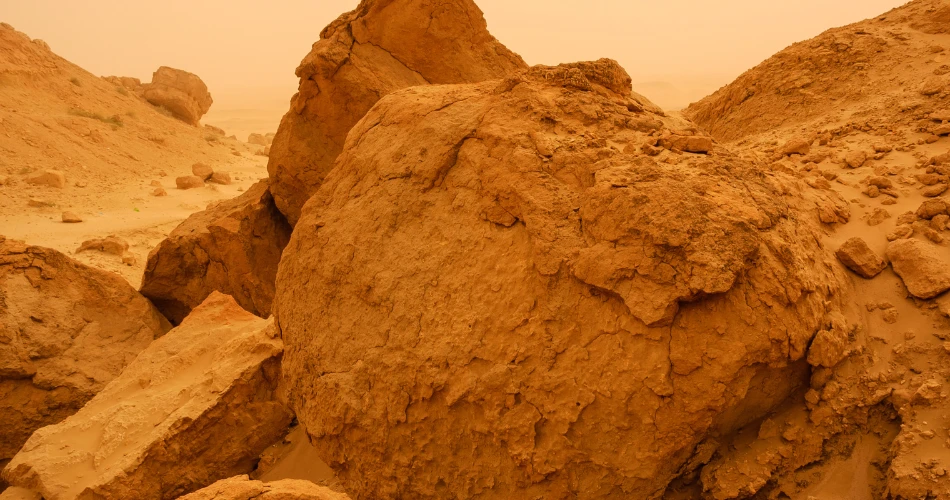
Al Mutlaa Sırtı, Kuveyt Şehri'nden yaklaşık 30 dakika uzaklıktadır, bu da zamanı kısıtlı olanlar için pratik bir kaçamak yapma imkanı sunar. Ancak Kuveyt'teki doğa noktaları arasında onu benzersiz kılan şey, yüksekliğidir. Kuveyt'in çoğu düzken, sırt hafifçe yükselir—serin bir esinti yakalamak ve çöl zemininde sonsuz uzanan gökyüzünü izlemek için yeterince.
Buradaki manzara çoğunlukla kuru ve kayalık olsa da yine de sessizce güzeldir. Yüksek ağaçlar veya şelaleler bulamazsınız, ancak daha ince detaylarla karşılaşacaksınız—tepenin nazik kıvrımları, nadir bir yağmurdan sonra dağınık çöl çiçekleri veya kumda bir çöl tilkisinin izleri gibi. Şanslıysanız, kayaların arasında hızla hareket eden bir kertenkele veya başınızın üzerinde dolaşan bir grup yaban kuşu görebilirsiniz.
Bölge nispeten dokunulmamış kaldığı için yaban hayatı genellikle yakınlarda kalır. Birçok ziyaretçi, en iyi ziyaret zamanının sabah erken veya akşam geç olduğunu söyler; bu saatlerde hayvanlar daha aktiftir ve güneş çok yoğun değildir. Bu yüzden su şişenizi, kameranızı ve belki de kuş gözlemi için bir dürbün almayı unutmayın.
Gitmeden önce yön bulmak için iNaturalist tarafından geliştirilen Seek gibi yerel bir doğa uygulaması kullanmak faydalıdır; bu uygulama çöl bitkilerini ve böceklerini hızlı bir fotoğrafla tanımlayabilir. Kuveyt'in daha az bilinen patikalarında yürüyüş yaparken keşfetmenin ve öğrenmenin eğlenceli bir yoludur.
Tepe Üzerindeki Yürüyüş Yolları ve Sakin Yürüyüşler
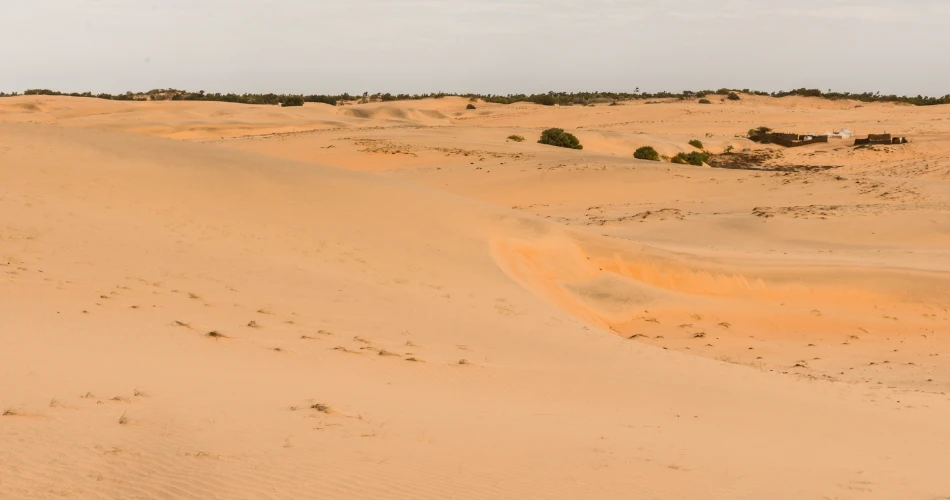
Al Mutlaa'nın resmi yürüyüş parkurları yoktur, ancak geçmiş ziyaretçiler tarafından yapılmış iyi yürütülen patikalar bulunmaktadır. Bazıları sırtın doğal yükselişini takip ederek, size ufka kadar uzanan çöl manzaraları sunar. Diğer patikalar sığ vadilere ve kuru vadi yataklarına dalar; burada gölgeli yerler veya vahşi yaşam izleri bulabilirsiniz.
Buralarda yürüyüş yapmak kolaydan orta seviyeye kadar değişiyor. Bunu keyifle yaşamak için ciddi bir dağcı olmanıza gerek yok, ama iyi ayakkabılar şart—bazı kısımlar kayalık ve engebeli. Aileler, çiftler ve yalnız maceraperestler burayı huzurlu ve açık bulacaklar. Ve bu kadar çok alan olduğu için asla kalabalık hissettirmiyor.
Özel kılan şey ise sessizliktir. Genellikle, ayaklarınızın altındaki çakılın gıcırtısı dışında tamamen sessiz bir yürüyüş yaparken kendinizi bulursunuz. Ara sıra bir esinti geçebilir ve uzaktan kuşların cıvıltısını veya çöl böceklerinin vızıltısını duyabilirsiniz.
Güvenlik ve huzur için, birçok yerel, patika dışına çıkmayı planlıyorsanız Gaia GPS veya Komoot gibi bir çöl navigasyon uygulaması kullanmanızı önerir. Bu araçlar, yönünüzü bulmanıza, mesafenizi takip etmenize ve hatta daha sonra tekrar ziyaret etmek istediğiniz yerleri işaretlemenize yardımcı olur.
Önemli olan, çöl günü gezileri için altın kuralı unutmamaktır: her zaman ihtiyaç duyacağınızdan daha fazla su getirin. Kuveyt'in sıcaklığı şaka değil ve yeterince su içmek, ziyaretinizin her adımından keyif almanızı sağlar.
Çöldeki Yaban Hayatı Gözlemlemek
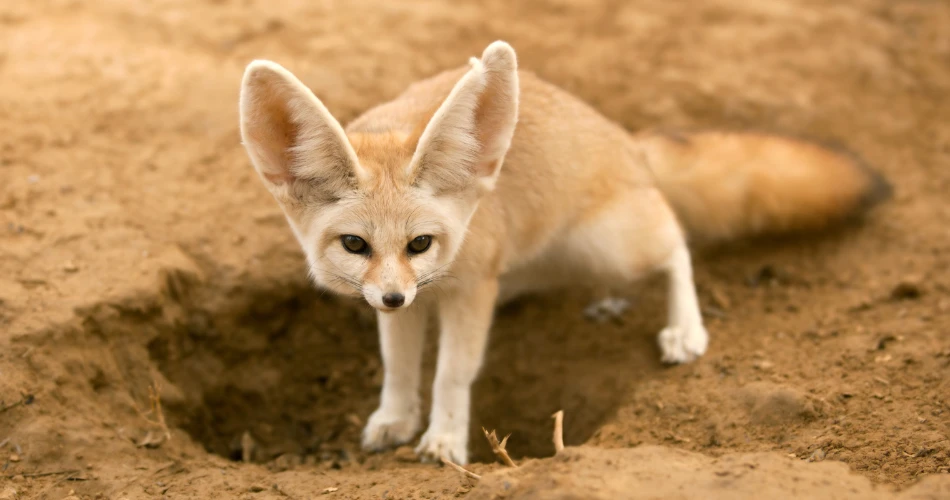
O kadar kuru görünen bir yerde pek fazla yaban hayatı beklemeyebilirsiniz, ancak Al Mutlaa Sırtı dikkatli bakarsanız sessizce canlıdır. Çöl tilkileri, kirpiler, kertenkeleler ve kuşlar sert iklime uyum sağlamıştır ve genellikle hava serinlediğinde ortaya çıkarlar.
Serin aylarda—Kasım'dan Mart'a—gündüz aktif olan hayvanları daha kolay görebilirsiniz. Kumda ayak izlerine veya taşların arasında hareketlere dikkat edin. Bülbüller ve çaylaklar gibi küçük kuşlar çalılar arasında uçuşur ve sabırlıysanız, yukarıda daire çizen bir şahin bile görebilirsiniz.
Yaban hayatını rahatsız etmeden sessizce gözlemlemenin en iyi yollarından biri bir süre hareketsiz oturmaktır. İyi bir manzarası olan bir kaya seçin, sessiz kalın ve sadece izleyin. Ne kadar uzun oturursanız, etrafınızdaki küçük hareketleri o kadar çok fark etmeye başlayacaksınız.
Telefon kameranızın zoomunu veya bir çift seyahat dürbününü kullanmak, hayvanları kovalamadan daha yakından görmenize yardımcı olur. Sadece unutmayın—burası onların evi. Bu yüzden onlardan uzakta keyfini çıkarın ve geride hiçbir iz bırakmayın.
Gördüğünüz hayvanlar hakkında daha fazla bilgi edinmek istiyorsanız, iBird Pro Guide to Birds uygulaması Orta Doğu kuş gözlemcileri için harika bir kaynaktır. Hatta türleri tanımlamayı daha eğlenceli hale getiren kuş seslerinin sesli kliplerini de içerir.
Ve çöl bitkilerine ilgi duyanlar için, bu bölgede hayatta kalan dayanıklı türler gerçekten şaşırtıcıdır. Küçük sukulentlerden dikenli çöl çalılarına kadar her bitki bir hayatta kalma hikayesi anlatır. Birçoğu yağmurdan sonra baharda açar ve aksi takdirde kumlu çevreye renk katar.
Son Düşünceler: Yenilenmek için Huzurlu Bir Yer
Bazen gerçekten ihtiyacımız olan şey gürültü veya eğlence değildir. Sessizlik, alan ve doğal dünya ile yeniden bağlantı kurma şansıdır. Al Mutlaa Sırtı tam olarak bunu sunuyor.
Bu göz ardı edilen yer, düşünmek, yürümek ve sadece nefes almak için size alan tanıyor. Ve en iyi kısmı? Karşılığında hiçbir şey istemiyor. Hiçbir bilet, hiçbir sıra, hiçbir baskı. Sadece çöl, gökyüzü ve zihninizi sıfırlamak için huzurlu bir yer.
Bu yüzden bir sonraki hafta sonu planlarınızı gözden geçirirken, en sakin Kuveyt doğa noktalarından birine doğru kuzeye gitmeyi düşünün. İster Kuveyt’in çöl patikalarında yürüyüş yapmayı, vahşi yaşamı gözlemlemeyi ya da sessiz bir sırtın tepesinden gün batımını izlemeyi seviyor olun, Al Mutlaa basit ama unutulmaz bir şey sunuyor.